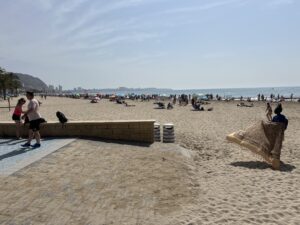
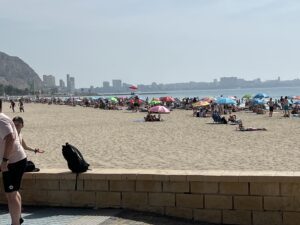
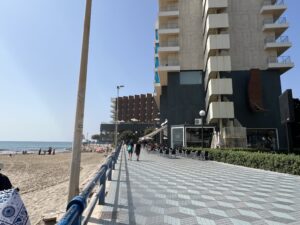
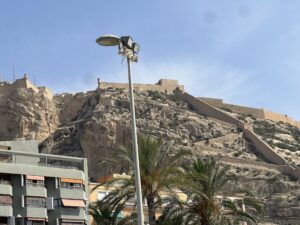
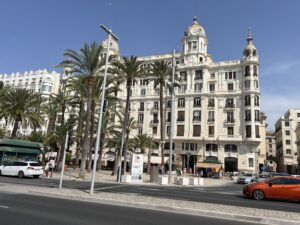
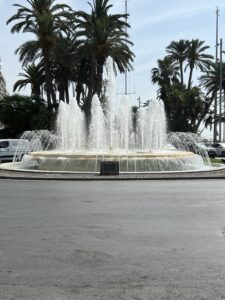
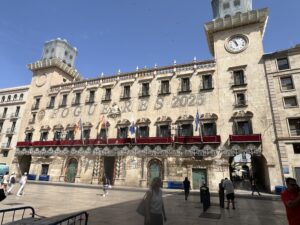
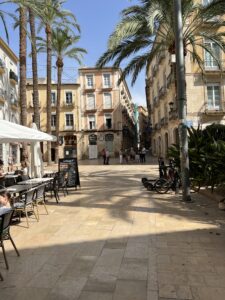
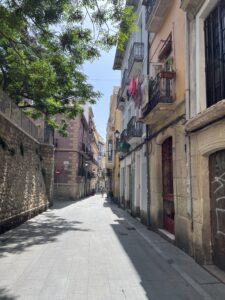
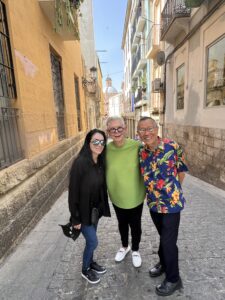
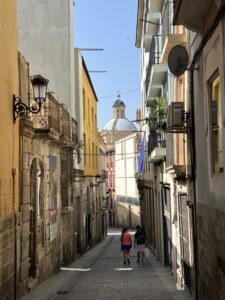
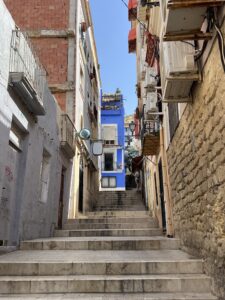
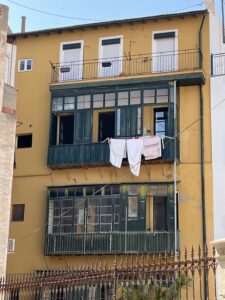
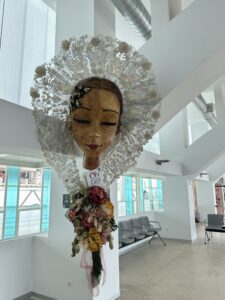
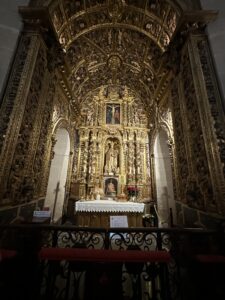
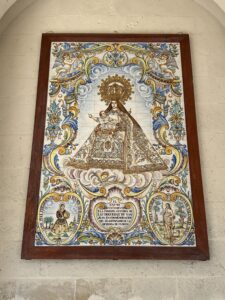
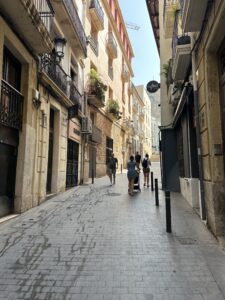
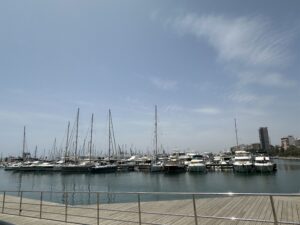
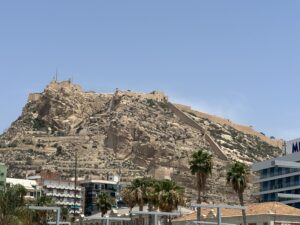
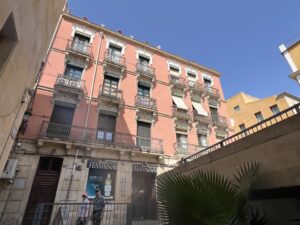
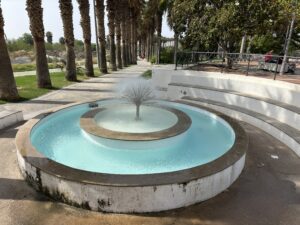
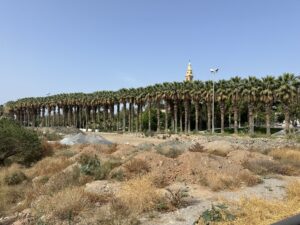
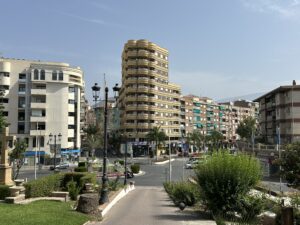
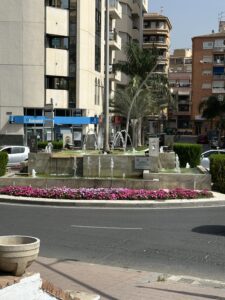
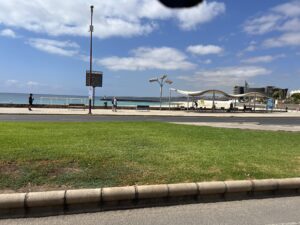
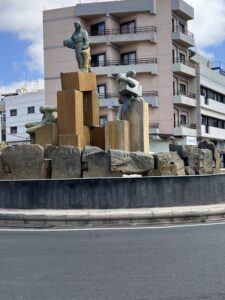
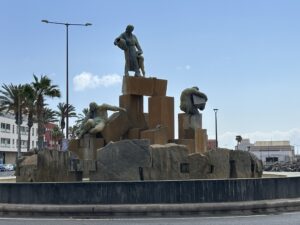
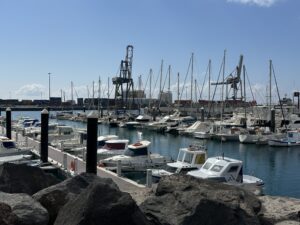
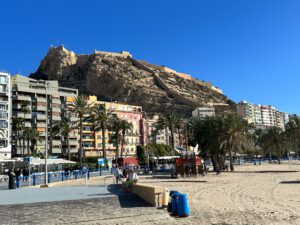
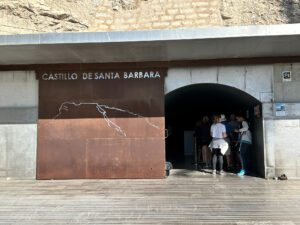
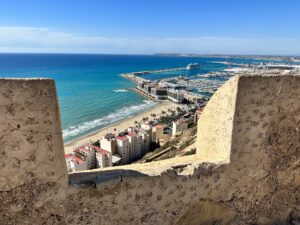
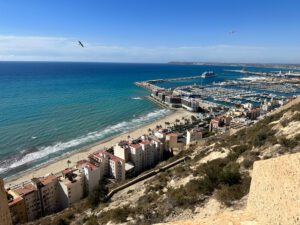
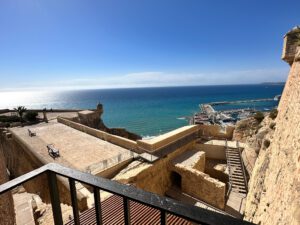
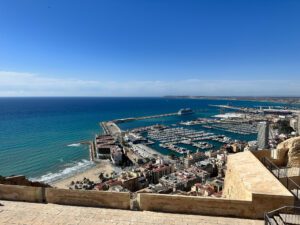
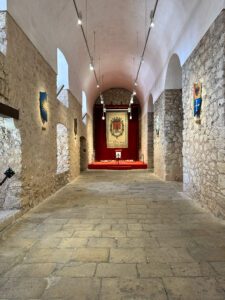
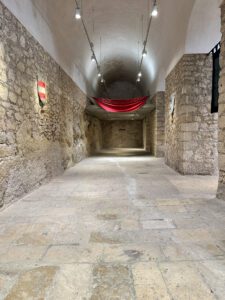
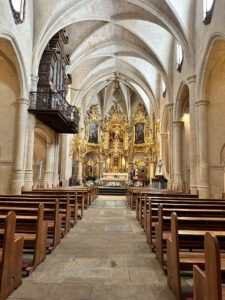
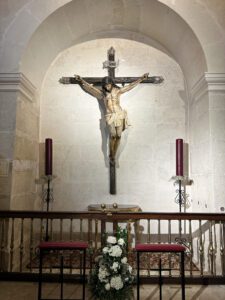
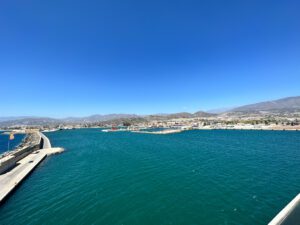
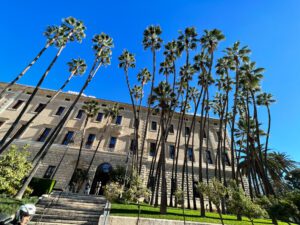
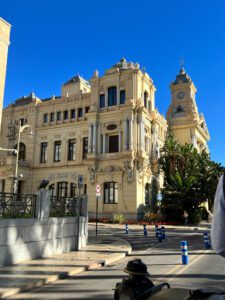
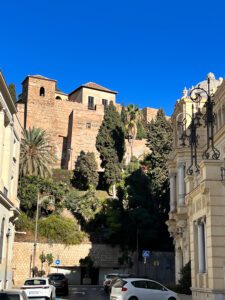
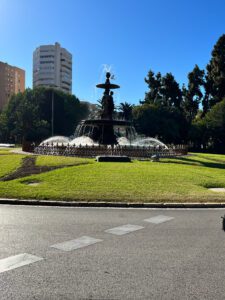
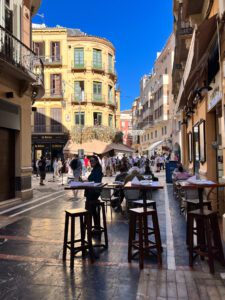
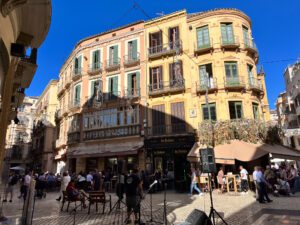
Lying on Spain’s radiant Costa Blanca, Alicante exudes a rare beauty. Lovely Baroque buildings cluster around the historic central district. Marble plazas grace its broad waterfront boulevard, the illustrious Explanada de España. Pristine beaches like San Juan hug the shoreline. It’s no surprise that Alicante is popular year-round. Venture to the grand Castle of Santa Barbara overlooking the city and walk from its high towers down into the dungeon. Stop for a glass of refreshing sangria in the Old Quarter. Behold the masterpieces hanging in the Gravina Museum of Fine Arts, a former 18th century palace.
Marvel at the sumptuous palaces, lush gardens and imposing citadels that are the Alhambra. This UNESCO World Heritage Site is one of the most famous legacies of Moorish rule in Spain. Meander the narrow cobblestone streets of nearby Albaicín, the ancient Arabic quarter, or see a flamenco performance in the whitewashed caves of Sacromonte, originally settled by gypsies.
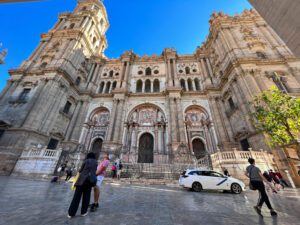
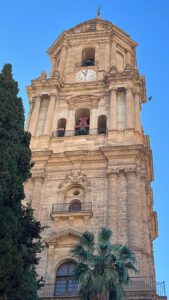
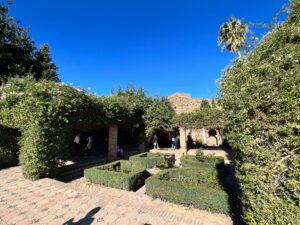
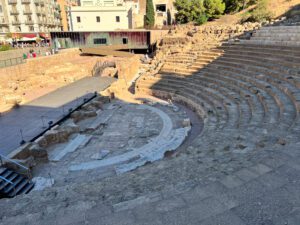
Gaze out over Malaga from the Gibralfaro Castle hill before exploring the city in-depth on an enlightening walk, taste some tapas in a typical taberna and learn about nougats, a truly Spanish sweet treasure!. Constructed in the 10th century on a hilltop where a lighthouse once stood, the castle rises majestically out of a forest of pines and eucalyptus trees. From this elevated vantage point, you will enjoy a spectacular view of Malaga, an Andalusian city with Moorish roots and an illustrious past. It looks even more magnificent up-close as you will discover while meandering the atmospheric streets. You will pass highlights such as the 1st-century Roman amphitheater, the home where Pablo Picasso was born and glorious Malaga Cathedral, whose construction started in 1528. It dragged on for centuries and the planned second tower still hasn’t been built, giving rise to the cathedral’s nickname: the “one-armed woman.”
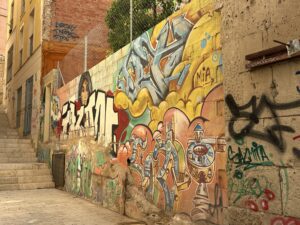
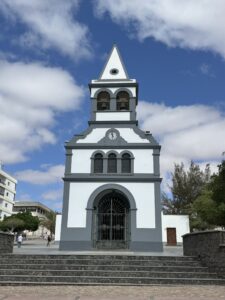
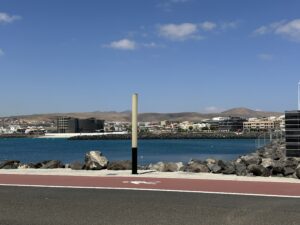
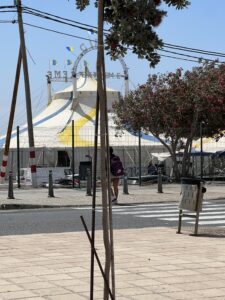
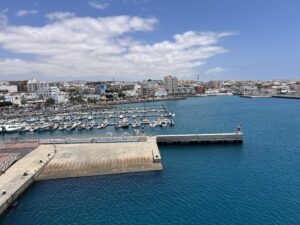
Puerto del Rosario, the capital of the island of Fuerteventura, offers an endless array of white beaches and blue water. Warm weather year-round makes this destination the perfect paradise for beach lovers. Take a stroll around the city and view the beautiful murals and artworks, or visit one of the nearby picturesque hamlets, such as El Cotillo, to discover the slower pace of local life. Head inland to explore the island’s surreal volcanic and desert landscapes. The former capital town of Betancuria is an excellent location to delve into the island’s history, and the surrounding roads also offer some of the best viewpoints on Fuerteventura.
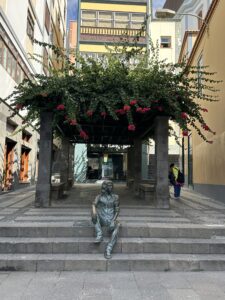
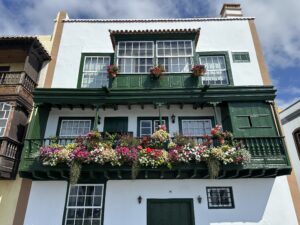
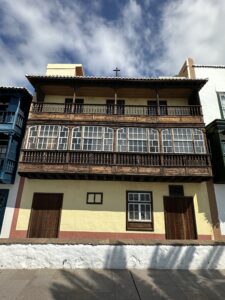
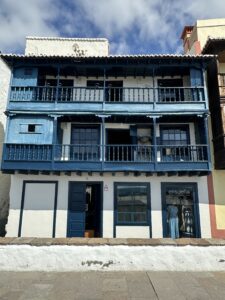
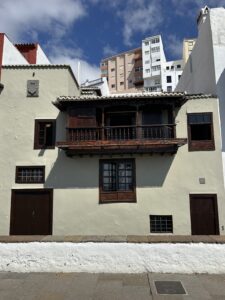
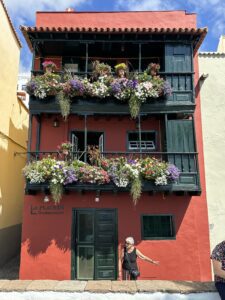
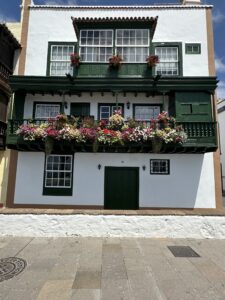
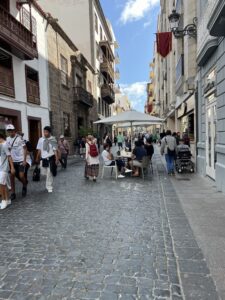
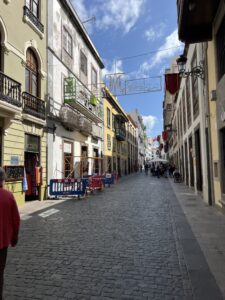
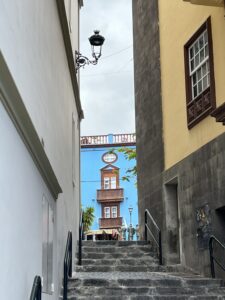
Stroll along Calle O’Daly, the pedestrian district named after an Irish banana merchant and lined with historic residences. Visit the Town Hall and the church, Iglesia del Salvador, both of the 16th century. There is an interesting museum of natural science as well as a naval museum.
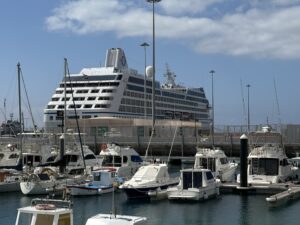
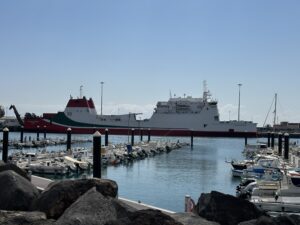
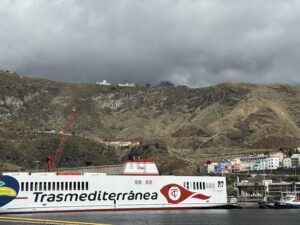
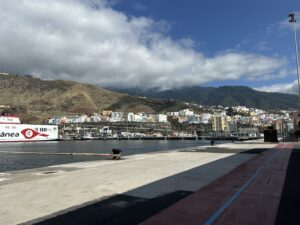
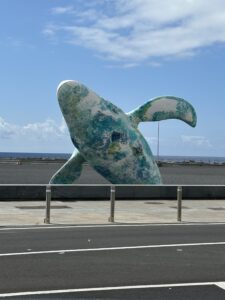
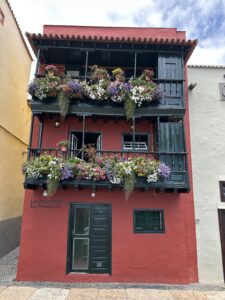
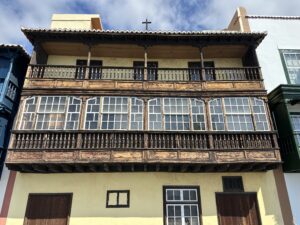
Venture into the northern reaches of La Palma and explore highlights that include a revealing ethnographic museum and a traditional goat farm. Along the way, you will pause for photos of the black volcanic beach and spectacular cliffs at Playa de los Nogales. At the ethnographic museum in the village of Puntallana, you will gain a general understanding of the regional culture by browsing exhibits of handicrafts, tools and mannequins costumed in traditional clothing. As you will discover at a nearby goat farm, Puntallana is also known for its cheese, a variety made with raw whole milk from native Palmera goats. You will sample it as a tapa paired with a glass of local wine. You will then watch a unique demonstration of a folk-sport that originated as a means for shepherds to safely cross dangerous ravines. You will be amazed as the agile athletes leap across great distances using only long wooden poles.
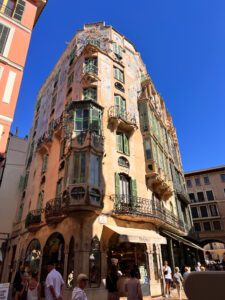
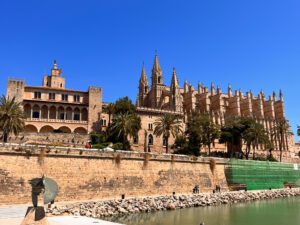
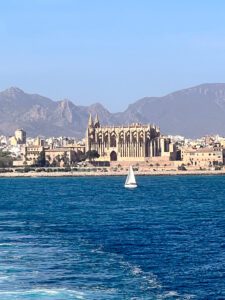
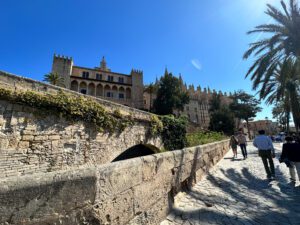
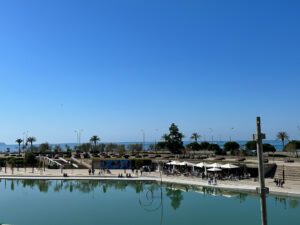
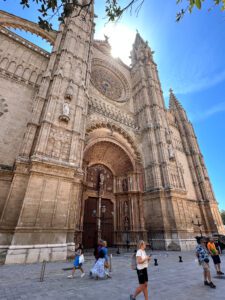
Explore this beautiful island beginning with the magnificent Seo Cathedral and Bellver Castle. See the windmills and impressive manor house in the verdant countryside. Discover the amazing natural wonders in the Drach Caves. And for romance, visit the former Carthusian monastery in Valldemosa, where George Sand and Chopin spent a winter.
After departing from the pier, you will soon arrive at Bellver Castle, a spectacular Gothic landmark from the 14th century. Its round design is unusual among Spanish castles, and although seemingly impenetrable, the fortress never served a defensive purpose.
As you ramble about the hilltop castle taking photos, you will appreciate the origin of its name, which means “lovely view” in Catalan. Few panoramas are quite so beautiful.
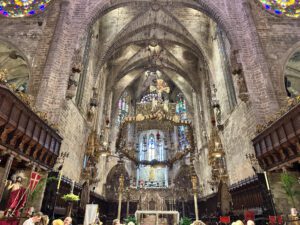
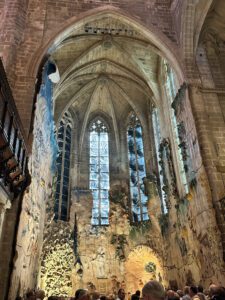
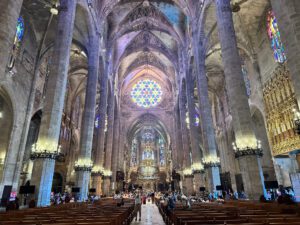
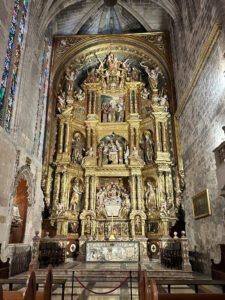
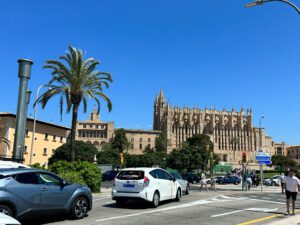
Delve into Mallorca’s grand capital city of Palma on a guided visit to two stunning Gothic landmarks, La Seu Cathedral, and Bellver Castle, and stop at a purveyor of Majorcan pearls. Enter resilient Palma, a city repeatedly invaded over the centuries due to its strategic position in the Mediterranean, and learn how each conqueror left their mark at La Seu, the city’s spectacular Gothic cathedral. You’ll delight in its enormous rose window, which casts a beautiful light into the church, and the wrought-iron canopy over the main altar, which was designed by idiosyncratic Catalan architect Antonio Gaudí. Enjoy a guided stroll to the city center, where you’ll discover an imitation pearl shop and learn the process behind the manufacture of these remarkable jewels. After some free time to shop and wander, continue to Bellver Castle, a revered 14th-century Gothic landmark. Gaze in awe at its unusual round design and seemingly impregnable fortifications, punctuated by towers of varying heights, and find a patio with a double gallery of arches, the Capella de San Marc chapel, and the Palma History Museum. You’ll celebrate the Gothic treasures of Palma on this enlightening tour.
Lying on Spain’s radiant Costa Blanca, Alicante exudes a rare beauty. Lovely Baroque buildings cluster around the historic central district. Marble plazas grace its broad waterfront boulevard, the illustrious Explanada de España. Pristine beaches like San Juan hug the shoreline. It’s no surprise that Alicante is popular year-round. Venture to the grand Castle of Santa Barbara overlooking the city and walk from its high towers down into the dungeon. Stop for a glass of refreshing sangria in the Old Quarter. Behold the masterpieces hanging in the Gravina Museum of Fine Arts, a former 18th century palace.
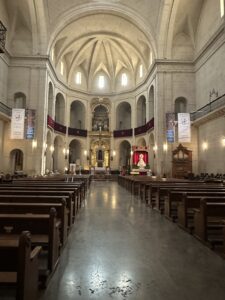
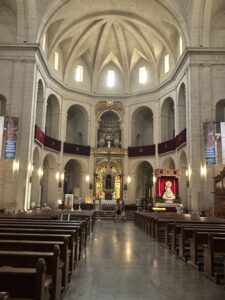
Relish a guided introduction to the vibrant resort town of Alicante, founded in Roman times as Lucentum, the City of Light, on this enthralling tour. Journey to Santa Barbara Castle, one of the largest in the Mediterranean region and strategically located atop a rocky mass that soars nearly 600 feet above the city and sea. You’ll discover a massive complex that includes numerous ramparts, the medieval Hall of Nobles, the 16th-century Room of Philip II and the ruins of the ancient hermitage of Santa Barbara. Visit Alicante’s historical district and admire the more than 6 ½ million small red, black and cream tiles covering the Esplanade, one of the most enduring images of the city. In Alicante’s charming Old Quarter, survey Town Hall Square and the Cathedral of Alicante, better known as the San Nicolás de Bari, whose impressive façade is considered one of the finest examples of Spanish Religious Baroque. Enjoy free time in the Esplanade, perhaps walking the broad promenade, browsing the inviting stalls along the way and soaking up the colorful atmosphere of this sun-kissed town.
Marvel at the sumptuous palaces, lush gardens, and imposing citadels that are the Alhambra. This UNESCO World Heritage Site is one of the most famous legacies of Moorish rule in Spain. Meander the narrow cobblestone streets of nearby Albaicín, the ancient Arabic quarter, or see a flamenco performance in the whitewashed caves of Sacromonte, originally settled by gypsies.
The Moors’ last stronghold before falling to Spain’s Catholic monarchs in 1492, Granada still bears a Moorish influence. There is the Alhambra, the fortress-palace of the Nasrid sultans.
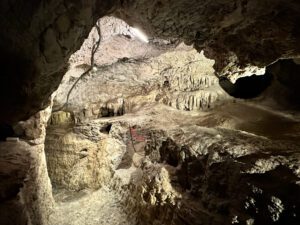
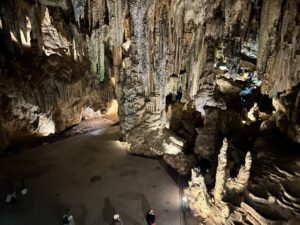
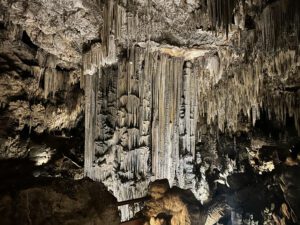
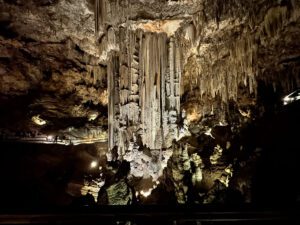
Discover geological wonders such as the world’s largest stalagmite in the Caves of Nerja and then meander through the lovely old quarter in the seaside village of Nerja.
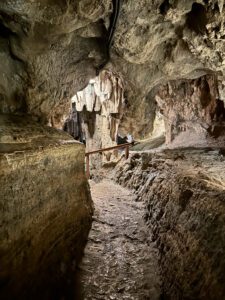
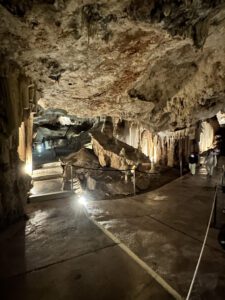
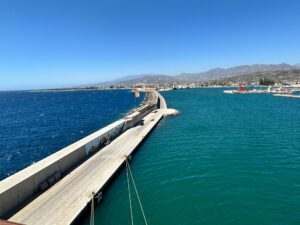
After departing from the pier, you will enjoy a picturesque coastal drive to the seaside village of Nerja, a former fishing village that has recently become a popular resort town. A short distance away, you will find the Caves of Nerja, a series of caverns that stretches nearly three miles and contains the world’s largest stalagmite.
Although archaeological evidence shows that the caves were occupied from about 25,000 BC to the Bronze Age, it wasn’t until 1959 that they were rediscovered. Cave paintings reveal that the earliest inhabitants were hunters, followed by fishermen and farmers.
As you walk through the caves, you can expect to see eerily illuminated stalactites and stalagmites in the Hall of Ghosts, formations that look like frozen waterfalls, and geological debris in the Hall of the Cataclysm that an earthquake caused millennia ago. It will be an extraordinary experience that you will not soon forget.
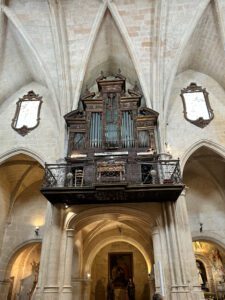
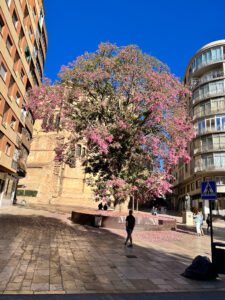
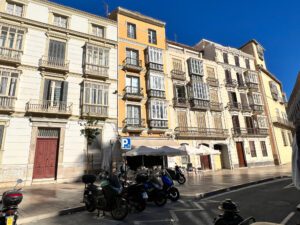
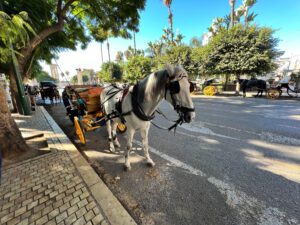
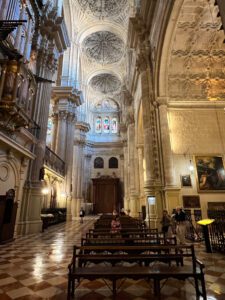
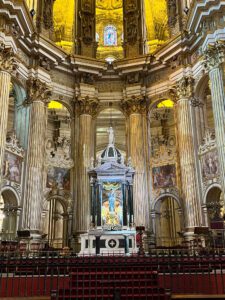
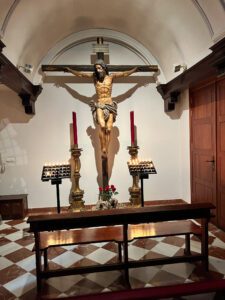
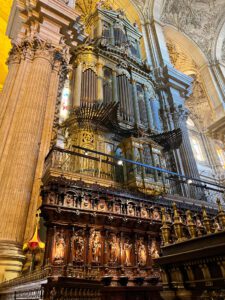
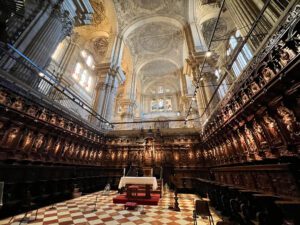
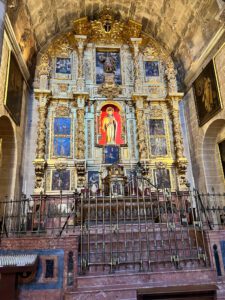
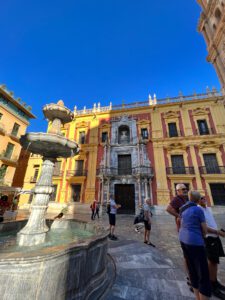
We visited the 16th-century Baroque-style Catedral de Málaga, built over a period of approximately 150 years. On Alcazabilla Street, see the ancient Roman Theater.
Contains information about the traffic source or campaign that directed user to the website. The cookie is set when the GA.js javascript is loaded and updated when data is sent to the Google Anaytics server
6 months after last activity
__utmv
Contains custom information set by the web developer via the _setCustomVar method in Google Analytics. This cookie is updated every time new data is sent to the Google Analytics server.
2 years after last activity
__utmx
Used to determine whether a user is included in an A / B or Multivariate test.
18 months
_ga
ID used to identify users
2 years
_gali
Used by Google Analytics to determine which links on a page are being clicked
30 seconds
_ga_
ID used to identify users
2 years
_gid
ID used to identify users for 24 hours after last activity
24 hours
_gat
Used to monitor number of Google Analytics server requests when using Google Tag Manager
1 minute
_gac_
Contains information related to marketing campaigns of the user. These are shared with Google AdWords / Google Ads when the Google Ads and Google Analytics accounts are linked together.
90 days
__utma
ID used to identify users and sessions
2 years after last activity
__utmt
Used to monitor number of Google Analytics server requests
10 minutes
__utmb
Used to distinguish new sessions and visits. This cookie is set when the GA.js javascript library is loaded and there is no existing __utmb cookie. The cookie is updated every time data is sent to the Google Analytics server.
30 minutes after last activity
__utmc
Used only with old Urchin versions of Google Analytics and not with GA.js. Was used to distinguish between new sessions and visits at the end of a session.